Format: Online
Sponsored by:

As public sector organizations face increasing expectations for transparency, accountability, and equity, internal auditors play a critical role in ensuring that organizational practices reflect ethical principles and equitable outcomes. Incorporating these considerations into audit work requires both technical insight and thoughtful judgment.
In this webinar, we will explore how auditors can elevate their impact by embedding equity and ethical considerations into everyday audit activities. Participants will gain practical perspectives on evaluating whether equity-related risks are considered within audit scopes and navigating environments with varying levels of openness to these topics.
The session will also examine how internal auditors can uphold ethical standards, foster trust, and drive meaningful organizational improvement through professional dialogue.
DATE: Dec 16, 2026
TIME: 12:00 PM–1:00 PM ET
One (1) NASBA CPE will only be awarded to participants on the live broadcast who are logged in for a minimum of 50 minutes and engage on at least three poll questions per each hour of the event.
Keep scrolling to register.
By the end of this webinar, attendees will be able to:
Learning Objective(s):
- Explain the role of the internal audit function in promoting ethical behavior and equitable outcomes across government organizations
- Identify practical approaches for incorporating equity and inclusion considerations into audit planning and execution
- Define auditor responsibilities when navigating organizational perspectives on equity-related issues
SPEAKERS
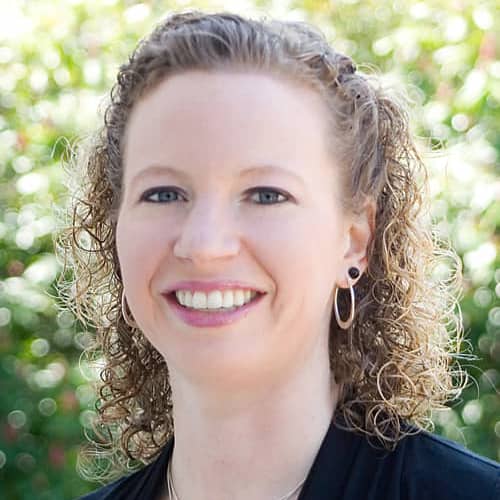
Pamela J. Stroebel Powers – CIA, CGAP, CRMA, CPA
Director, Professional Guidance, Public Sector, The Institute of Internal Auditors, Global Headquarters
Pamela began work with The Institute of Internal Auditors in April 2021 and appreciates the opportunity to collaborate, liaison with, advocate for and provide guidance and thought leadership to public sector auditors around the globe.
Pam came to The IIA with 22 years’ experience as an internal auditor in Oregon State Government. Over that time, Pam worked for five agencies; she served as the Chief Audit Executive for four of those, established the first in-house internal audit function in two of them, and in one position coordinated the State’s internal audit activities. Pamela also founded Powers CPA, LLC which provided internal audit, consulting and assurance services to government and non-profit entities for five years. Pam began her career as an external auditor with the Audits Division of the Secretary of State.
In addition to her audit roles, Pam has served as a contributing faculty member at Willamette University’s Atkinson Graduate School of Management since 2010. Over the course of her career, she has provided training on various topics including ethics, risk management, and auditing to agency staff, management and various professional organizations. She has also served as a course facilitator for The IIA, providing training for audit professionals globally. Pam has been an active member of The IIA, having held various leadership and committee positions. Pam earned a Bachelor’s degree in Accounting from Western Baptist College and an MBA from Willamette University.
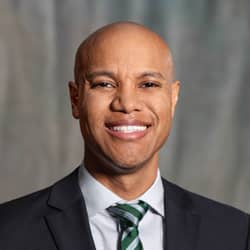
Benjamin Johnson, CIA
Head of Audit and Belonging, Central Contra Costa Sanitary District
Benjamin Johnson leads a forward-thinking office that brings together Internal Audit and Diversity, Equity, and Inclusion as distinct yet connected functions. He demonstrates how the disciplines of assurance and inclusion can strengthen one another when guided by shared values of integrity, fairness, and trust. Within this structure, Internal Audit fosters accountability while DEI strengthens understanding and belonging, together contributing to a more resilient organization. Benjamin’s leadership invites people to view governance as a living system where curiosity and collaboration drive progress. A Cornell-certified DEI leader and experienced auditor, he brings clarity and humanity to complex institutional work. His approach reflects a belief that when both disciplines grow within one office, the result is an organization that learns continuously and leads with transparency and inclusion.